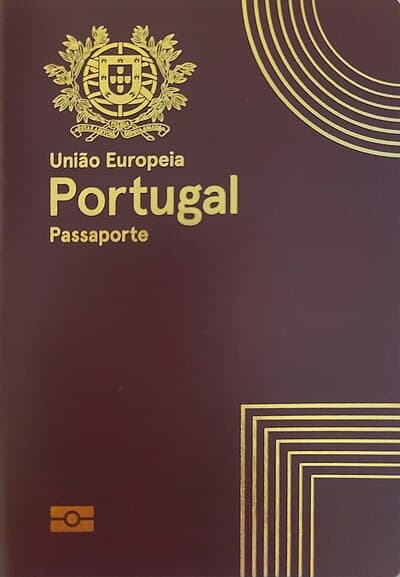
Who qualifies for Portuguese citizenship by descent
Children of a Portuguese citizen are Portuguese by origin and only need the birth registered. Grandchildren of a grandparent who was Portuguese from birth and never lost that nationality can acquire nationality of origin by declaration, with no residence requirement. They must show effective ties to the Portuguese community and, since the 2026 reform, meet integration requirements: Portuguese language (usually an A2 certificate; presumed for Brazilians and other Portuguese-speaking nationals), knowledge of Portuguese culture and civics, a commitment to democratic principles, and a clean criminal record. Great-grandchildren have no right by descent: the government may grant them naturalisation after five years of legal residence in Portugal. Often the better strategy is for your parent to claim first as a grandchild — then you register as the child of a Portuguese citizen. The route for descendants of Sephardic Jews was abolished by Lei Orgânica 1/2026; certification submissions closed on 4 May 2026, and only applications already in the system are still being decided.
Boarding pass · free tool
No sign-up · Private
Portugal eligibility checker
Answer a few questions about your Portugal ancestry. Takes under 2 minutes.
Country
Your answers are processed in your browser — we don’t store them or send them anywhere, including to analytics. The site itself uses analytics and, with your consent, ads. Privacy policy
Grandchildren can still claim from abroad
Portugal's grandparent route survived the 2026 reform. If a grandparent was a Portuguese national and did not lose that nationality, you can declare that you want Portuguese nationality of origin under Article 1(1)(d) of the Nationality Law. You do not have to live in Portugal. You do have to show 'effective ties to the Portuguese community', and since the 2026 reform you must also meet integration requirements: Portuguese language (in practice an A2 certificate, usually the CIPLE exam; presumed for nationals of Portuguese-speaking countries), knowledge of Portuguese culture and civics, a commitment to democratic principles and a clean criminal record. The grandparent must have been Portuguese from birth and never lost that nationality.
Children of a Portuguese citizen are simpler still: they are Portuguese by origin and only need the birth recorded with the Portuguese civil registry, through a consulate or online.
What the 2026 nationality law changed
Lei Orgânica 1/2026 was published on 18 May 2026 and took effect the next day, after the Constitutional Court's preventive review struck down some unrelated provisions. For descendants it did three things: it kept the grandparent declaration, it added a new great-grandparent route, and it abolished the Sephardic route.
The great-grandparent route is not a from-abroad option, and not a right: the government may grant naturalisation to great-grandchildren of a born-Portuguese national after five years of legal residence in Portugal, and the result is derived rather than original nationality. For most people abroad, a better plan is for the parent to claim first as a grandchild, after which the child registers as the child of a Portuguese citizen.
The Sephardic route has closed
The law that let descendants of Sephardic Jews expelled from Portugal claim nationality (introduced in 2015) was tightened in 2022 and then abolished by Lei Orgânica 1/2026. The Jewish Community of Lisbon stopped accepting new certification requests on 4 May 2026. Applications already in the system are still being decided, but new applicants cannot use this route. Many older guides still describe it as open.
Documents, language, timeline
For a grandchild claim you need your own birth certificate, your parent's birth certificate, your grandparent's Portuguese birth record, and marriage records linking the generations, apostilled and translated where they are not in Portuguese. Add the A2 certificate and criminal record certificates from the countries you have lived in.
Files go to the Central Registry in Lisbon and commonly take more than a year. Portugal allows dual nationality, so you keep your current citizenship.
Portuguese citizenship by descent requirements
- Parent route: a parent was Portuguese when you were born
- Grandparent route: a grandparent who was Portuguese from birth and never lost it, plus ties to Portugal, A2 Portuguese and the culture/civics requirements added in 2026
- Great-grandchildren (since May 2026): discretionary naturalisation after five years of legal residence in Portugal
- No residence requirement for the parent or grandparent routes
- Sephardic route: abolished by Lei Orgânica 1/2026
Documents for a Portuguese claim
- 1Your birth certificate
- 2Birth and marriage certificates connecting you to Portuguese ancestor
- 3Portuguese ancestor's birth certificate
- 4A2 Portuguese language certificate (for grandchild route)
- 5Criminal record certificates from all countries you've lived
- 6Proof of ties to Portuguese community (where applicable)
- 7Your valid passport or ID
- 8All documents need apostilles and Portuguese translations
Portuguese processing times
Registering a child of a Portuguese citizen is the quickest route. Grandchild declarations go to the Central Registry (Conservatória dos Registos Centrais) and commonly take more than a year. Getting the A2 certificate first avoids the most common delay.
Where Portuguese claims go wrong
- Following pre-2026 guides that still describe the Sephardic route as open
- Applying through a great-grandparent from abroad — that route now needs five years' residence in Portugal
- Filing without the A2 certificate
- A grandparent who lost Portuguese nationality before your parent's birth
- Name and date mismatches between Portuguese and foreign records
Official Portuguese government sources
Portuguese citizenship FAQ
Q1Can I still get Portuguese citizenship through a grandparent?
Yes. The grandparent route survived the 2026 reform. You apply by declaration from abroad with no residence requirement, showing effective ties to Portugal and — since May 2026 — Portuguese language (usually A2), culture and civics knowledge. Applications filed by 18 May 2026 are decided under the old rules.
Q2What about a great-grandparent?
Not directly. Since 19 May 2026 the government may grant naturalisation to great-grandchildren of a born-Portuguese ancestor after five years of legal residence in Portugal — a discretionary grant, not available from abroad. The practical route is usually for your parent to claim as a grandchild first; you then register as their child.
Q3Is the Sephardic route still open?
No. Lei Orgânica 1/2026 abolished it, and the Jewish Community of Lisbon stopped accepting new certifications on 4 May 2026. Only applications already submitted are still being processed.
Q4Do I have to give up my current citizenship?
No. Portugal permits dual and multiple nationality.
Q5Is the great-grandchild route automatic?
No. Since the 2026 reform, great-grandchildren can be granted naturalisation at the Government's discretion after five years' legal residence in Portugal — it's derived, not original, nationality.
Portuguese nationality law
Portuguese nationality is governed by the Nationality Law (Lei 37/81), most recently amended by Lei Orgânica 1/2026 (published 18 May 2026, in force 19 May 2026). Article 1(1)(c) covers children born abroad to a Portuguese parent; Article 1(1)(d) covers grandchildren by declaration, and since 2026 they must also meet the Article 6 integration requirements. The 2026 law abolished the Sephardic route and let the government grant naturalisation to great-grandchildren after five years' residence in Portugal (Article 6(8)).
Dual citizenship in Portugal
Portugal permits dual citizenship without restriction. Portuguese citizens who naturalise elsewhere do not lose Portuguese nationality, and foreigners who become Portuguese are not required to renounce prior citizenship. This makes Portugal particularly attractive for diaspora claimants, especially in Brazil, the United States, France, and the United Kingdom.
Portuguese application costs
Grandchild route application fee at IRN: €175. A2 Portuguese language exam (CAPLE/CIPLE): €80–€120. Criminal record certificates from multiple countries: €50–€150 total. Certified translations: €30–€60 per document. Estimated total: €600–€1,200 before any attorney fees.
Compare across countries: dual citizenship everywhere, citizenship through grandparents and through great-grandparents.